How Often Should You Clean Eaves and Fascias in Coastal Areas?
@rowanccqe236
November 25, 2026 · 3 min read
Maintaining the exterior of a home requires consistent diligence, particularly in coastal environments like Port Macquarie. Between the persistent ocean winds, airborne salt particles, and subtropical humidity, the exterior surfaces of your home endure significantly more stress than properties situated inland. Among the most vulnerable yet frequently overlooked structural elements are your eaves and fascias.
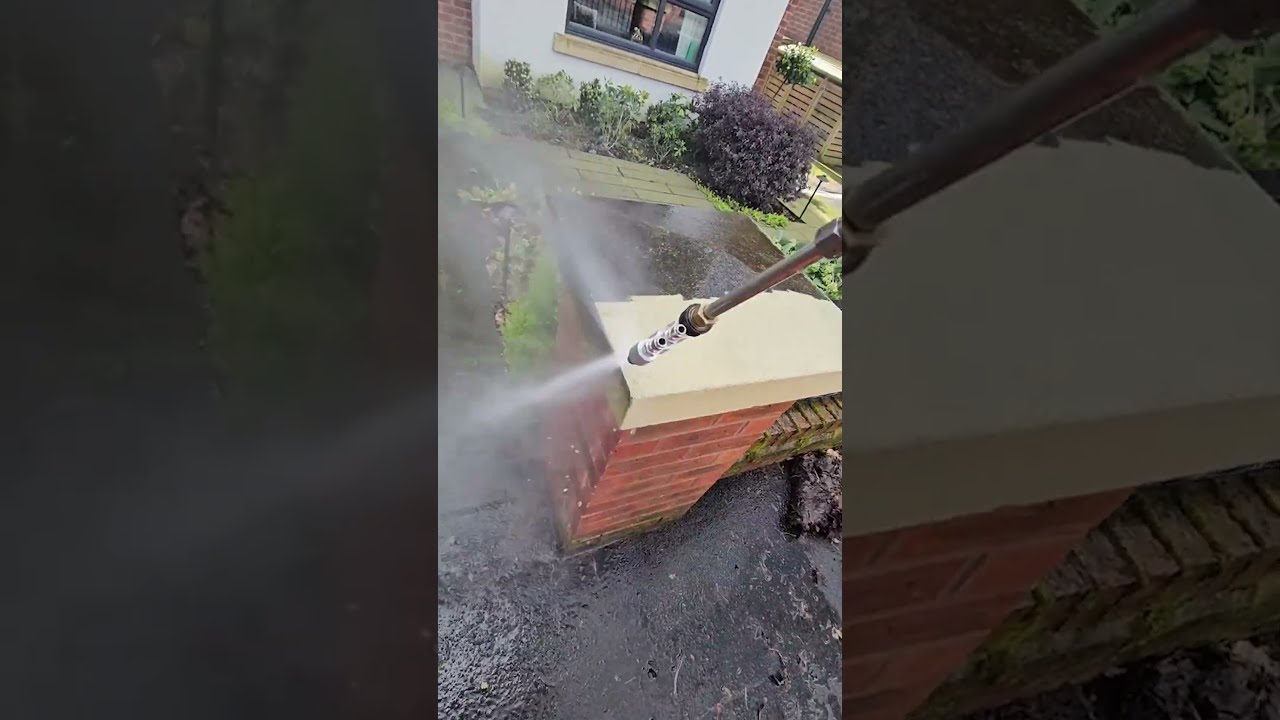
Under coastal conditions, eaves and fascias should be thoroughly washed every three to six months if your home sits within two kilometres of the coastline. For homes situated further inland in areas such as Thrumster or Sovereign Hills, an exterior clean every six to twelve months is generally adequate to prevent long-term degradation.
Why Coastal Settings Accelerate Eave and Fascia Deterioration
Eaves and fascias are positioned directly beneath rooflines and guttering systems. While rain provides a natural rinsing effect for open roof surfaces, eaves and soffits remain sheltered from direct precipitation. This sheltered position creates a microclimate where airborne marine salts, dust, and organic debris accumulate without being washed away naturally.
Marine salt is naturally hygroscopic, meaning it attracts and retains moisture directly from Port Macquarie’s humid air. Over time, this constant dampness compromises the paint film, accelerates corrosion on metal fascia brackets and nails, and triggers wood rot in timber components. Furthermore, the combination of retained moisture and shade promotes the rapid growth of black mould ( Stachybotrys and Cladosporium) and mildew, which can degrade building materials and detract significantly from your property's street appeal.
Key Factors Influencing Your Cleaning Schedule
While the three-to-six-month guideline serves as an effective benchmark, several distinct environmental factors can alter how https://pressurecleaningportmacquarie.com.au/roof-cleaning/ frequently your property requires exterior cleaning:

- Distance to the Open Ocean: Homes located near Town Beach, Shelly Beach, or along Pacific Drive receive continuous onshore sea spray, requiring cleaning on a quarterly schedule.
- Surrounding Vegetation: Dense native tree canopies, such as coastal banksias and gum trees, deposit organic tannins, sap, and pollen, providing an ideal food source for mould and lichen.
- Substrate Materials: Modern Colorbond fascias resist rust well but can suffer paint chalking from salt crusting, whereas traditional painted timber eaves require frequent washing to avoid paint peel and wood rot.
- Pest Activity: Spiders and coastal insects frequent sheltered eaves, spinning dense webs that trap salt mist, soot, and debris against the surface.
Signs Your Eaves and Fascias Require Immediate Attention
Rather than relying strictly on the calendar, routine inspections can help identify whether surface contaminants have reached critical levels. Addressing buildup early prevents the need for premature repainting or costly carpenter repairs.

- Salt Encrustation: A white, powdery residue or gritty texture visible when running a dry cloth across the underside of the eave.
- Surface Mould and Mildew: Dark green, grey, or black discolouration forming in clustered spots, particularly in southern-facing shaded zones.
- Paint Chalking and Flaking: Surface paint that leaves a chalky residue on contact or has begun to bubble, signalling trapped moisture beneath the topcoat.
- Accumulated Pest Debris: Heavy concentrations of cobwebs, wasp mud nests, or insect casings adhering to the soffit panels.
Modern Best Practices for Cleaning Coastal Eaves
Standard high-pressure washing can force water into soffit ventilation vents, wall cavities, and ceiling spaces, which may lead to hidden structural moisture damage. In 2026, the industry standard for exterior coastal maintenance is low-pressure soft washing.
Soft washing utilises specialized biodegradable cleansing agents to break down salt deposits, neutralise mould spores at their roots, and lift grime safely. The surfaces are then rinsed with gentle, high-volume, low-pressure fresh water. This process protects both delicate timber tongue-and-groove boards and modern fibre cement linings while safeguarding the integrity of the paintwork.
Scheduling routine eave and fascia maintenance into your overall exterior property care ensures your Port Macquarie home remains resilient against harsh coastal weathering, preserving structural health and property value for years to come.
Port Macquarie Pressure Cleaning Pros
(02) 5504 5426